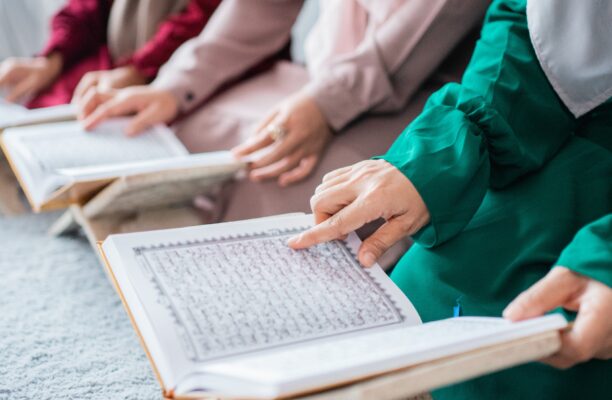
In Islam, the concept of community is deeply rooted in the teachings of the Quran and the Sunnah of the Prophet Muhammad (PBUH). Among the many relationships emphasized in Islamic teachings, the rights of neighbors in Islam hold a special place. Neighbors, whether they are Muslims or non-Muslims, are entitled to kindness, respect, and consideration. These values help create harmonious communities and strengthen social ties.
This blog will explore the importance of neighbors in Islam, the specific rights they hold, and how Muslims are encouraged to interact with them.
The Importance of Neighbors in Islam
Islam views neighbors as an integral part of the community. Their well-being, safety, and happiness are directly linked to a person’s faith and sense of responsibility. The Quran and Hadith emphasize that treating neighbors with kindness is not only an ethical duty but also a form of worship.
Allah commands in the Quran:
Worship Allah and associate nothing with Him, and to parents do good, and to relatives, orphans, the needy, the near neighbor, the neighbor farther away, the companion at your side, the traveler, and those whom your right hands possess. Indeed, Allah does not like those who are self-deluding and boastful.
This verse highlights that neighbors, both near and distant, are to be treated with the same care and respect as family and close companions. The Prophet Muhammad (PBUH) further emphasized this by connecting good neighborly conduct to faith:
He who believes in Allah and the Last Day should do good to his neighbor.

Rights of Neighbors in Islam
Islamic teachings provide clear guidelines on how Muslims should interact with their neighbors. These rights include kindness, support, and consideration for their well-being. Here are the key rights of neighbors in Islam:
Respect and Kindness
Neighbors deserve to be treated with respect and kindness at all times, regardless of their religion, ethnicity, or social status. The Prophet Muhammad (PBUH) said:
Jibreel kept advising me to treat neighbors kindly and politely so much so that I thought he would order me to make them my heirs.
This Hadith underscores the importance of maintaining a positive and respectful relationship with neighbors.
Providing Help in Times of Need
Islam encourages helping neighbors in times of difficulty or need. Whether it’s offering assistance during emergencies or sharing food with them, these acts of kindness strengthen bonds.
Avoiding Harm or Annoyance
A true Muslim refrains from causing harm or annoyance to their neighbors, whether through words, actions, or negligence. The Prophet Muhammad (PBUH) warned:
By Allah, he does not believe! By Allah, he does not believe! By Allah, he does not believe! They said, ‘Who is it, O Messenger of Allah?’ He said, ‘The one whose neighbor is not safe from his harm.’
This emphasizes that causing harm to neighbors is a grave sin and contradicts the principles of Islam.
Sharing Joys and Sorrows
Islam encourages Muslims to share both joyous and sorrowful occasions with their neighbors. Participating in celebrations, offering condolences during times of loss, and being present in their lives foster unity and mutual understanding.
Forgiving Mistakes
Neighbors may sometimes make mistakes or act inconsiderately. Islam encourages patience and forgiveness in such situations. By overlooking minor faults, one can maintain a peaceful relationship and avoid unnecessary conflict.

Practical Ways to Fulfill Neighborly Rights
Fulfilling the rights of neighbors in Islam requires conscious effort and sincerity. Here are some practical ways to uphold these values:
Greet and check on neighbors regularly. A simple greeting or a kind word can go a long way in building rapport with neighbors. Offer food or gifts, especially during Ramadan or on special occasions, as a Sunnah that brings neighbors closer. Help with daily needs, such as assisting elderly or busy neighbors with errands or household tasks, to ease their burden. Be considerate of noise levels to avoid disturbing neighbors with loud activities or late-night gatherings. Resolve conflicts peacefully by addressing disagreements calmly and with the intention of maintaining harmony.
Lessons from the Sunnah
The life of the Prophet Muhammad (PBUH) is filled with examples of exemplary neighborly conduct. Despite being mistreated by some of his neighbors, he always responded with patience and kindness. For instance, the Prophet (PBUH) would visit sick neighbors, regardless of their faith, and offer his support.
In one famous incident, a neighbor who often threw garbage in the Prophet’s (PBUH) path fell ill. Instead of retaliating, the Prophet visited the neighbor to inquire about their health, leaving a lasting impression of compassion and mercy.
The Impact of Good Neighborly Relations
The rights of neighbors in Islam extend beyond individual relationships—they contribute to building peaceful and cohesive communities. By treating neighbors with respect and care, Muslims embody the true spirit of Islam, which values kindness, empathy, and mutual support.
Good neighborly conduct also serves as a form of Dawah, showcasing the beauty of Islamic teachings to those around us. When Muslims uphold these principles, they create environments that reflect harmony and compassion.
Conclusion
The rights of neighbors in Islam are a fundamental aspect of a Muslim’s faith and daily life. These teachings emphasize the importance of kindness, respect, and support, helping to create strong, united communities. By following the guidance of the Quran and the Sunnah of the Prophet Muhammad (PBUH), Muslims can build meaningful relationships with their neighbors and embody the core values of Islam.
For more insights into Islamic teachings and how to apply them in daily life, explore the resources and courses offered by QuranForU.org, where you can deepen your understanding of Islam with qualified teachers.