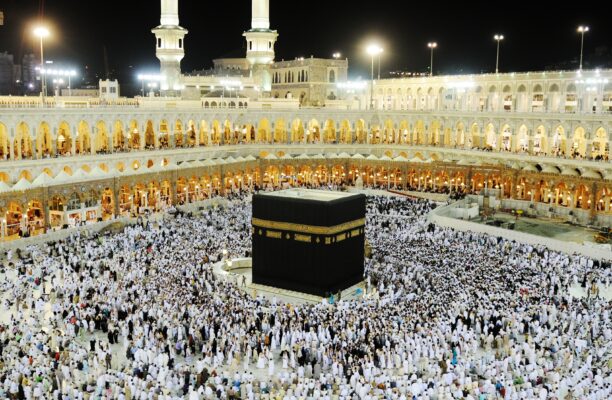
In Islam, the concept of wealth transcends mere personal possession; it is fundamentally understood as an Amanah, a sacred trust from Allah (SWT). This profound understanding underpins the very essence of Zakat, one of the five foundational pillars of Islam. Zakat is not merely a charitable contribution but an annual, obligatory purification of a specific portion of one’s accumulated wealth, earmarked for distribution to the poor and needy. It stands distinct from voluntary charity (Sadaqah), which is highly encouraged but lacks the mandatory nature and prescribed rules of Zakat. Zakat is a divine injunction, a fundamental socio-economic principle designed to foster justice, compassion, and solidarity within the Muslim community. For every Muslim seeking to fulfill their religious duties, contribute to a more equitable society, and purify their financial blessings, a deep understanding of Zakat’s nuances is absolutely crucial.
Allah (SWT) articulates the purpose and benefit of Zakat in the Quran: “Take, [O Muhammad], from their wealth a charity by which you purify them and cause them increase, and invoke [Allah ‘s blessings] upon them. Indeed, your invocations are reassurance for them. And Allah is Hearing and Knowing.” (Quran 9:103)
This powerful verse highlights the multi-faceted nature of Zakat: it is a means of purifying the giver’s wealth and soul, and simultaneously, a source of growth and immense benefit for the recipients and society at large. It is a testament to Islam’s holistic approach to spirituality, where faith is inextricably linked with social responsibility. To truly grasp Zakat’s significance, it’s beneficial to understand its place among the other fundamental obligations in Islam, such as those found in our resources on the Pillars of Islam on QuranForU.org.
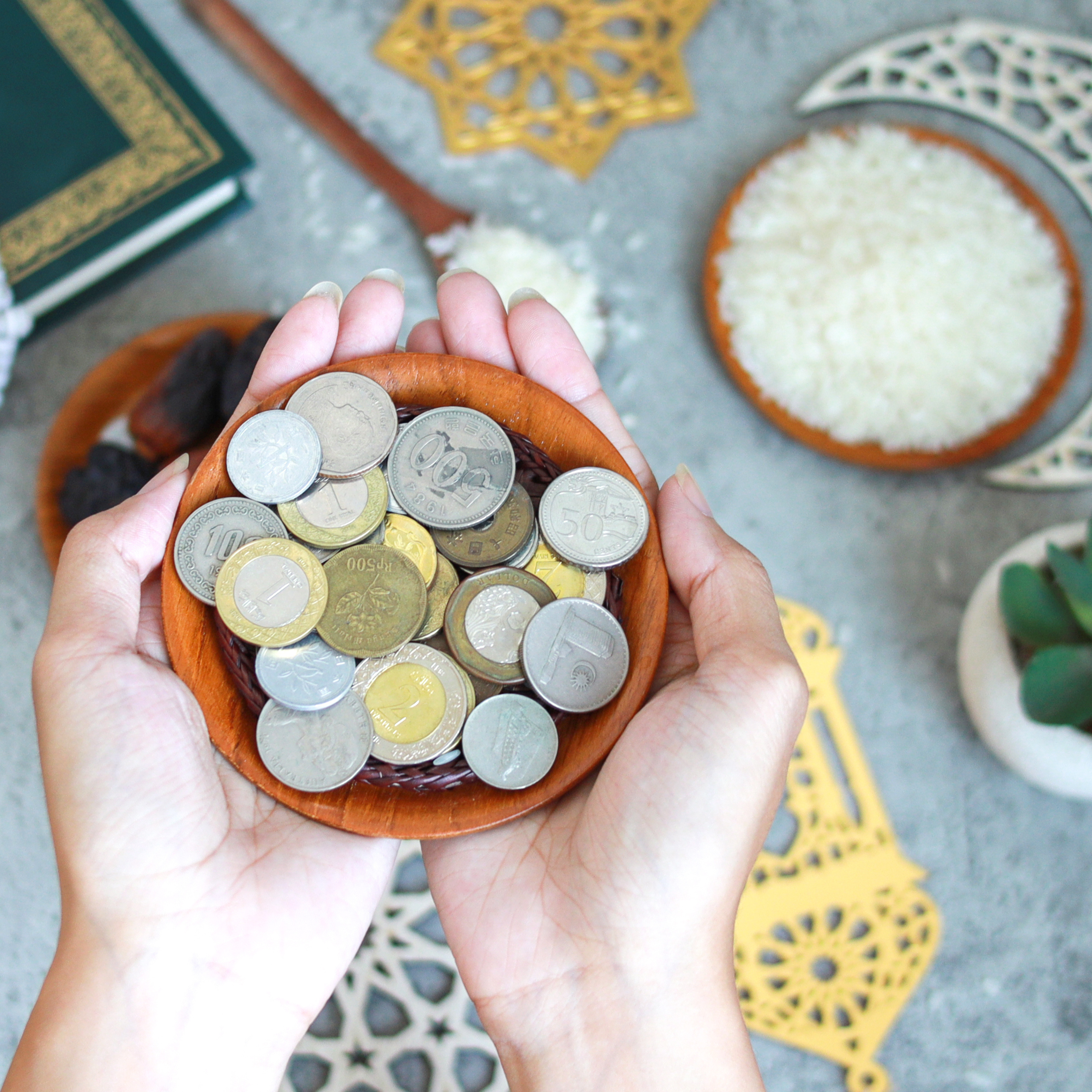
Why Zakat is Obligatory: Profound Spiritual and Social Impact
Zakat is far more than a simple tax; it is a meticulously designed spiritual and social institution with far-reaching benefits that enrich both the individual and the entire fabric of society. Its mandatory nature underscores its immense importance in the Islamic way of life.
- Profound Spiritual Benefits for the Payer:
- Purification of Wealth and Soul: Zakat acts as a spiritual cleanser, purifying one’s wealth from any ill-gotten gains, greed, or excessive attachment to material possessions. It reminds the individual that all blessings come from Allah.
- Cultivation of Gratitude and Humility: By giving a portion of their wealth, individuals are prompted to reflect on Allah’s immense blessings, fostering a deep sense of gratitude and humility, and curbing arrogance that can sometimes accompany affluence.
- Increase in Barakah (Divine Blessings): Counter-intuitively, giving Zakat does not diminish wealth. Instead, Allah promises to increase it in blessings, quality, and abundance (Barakah). This can manifest in various ways, from unexpected gains to divine protection from loss, or simply a greater contentment with what one has.
- Submission and Obedience to Allah’s Command: Fulfilling the obligation of Zakat is a direct act of worship and submission to Allah’s divine command, demonstrating faith and obedience.
- Earning Immense Rewards: Zakat is a highly rewarded act in this life and the Hereafter, carrying the promise of great recompense from Allah (SWT).
- Transformative Social Benefits for the Community:
- Equitable Wealth Redistribution: Zakat serves as a vital mechanism for ensuring that wealth circulates within the community and is not concentrated solely in the hands of a few. This systemic redistribution promotes economic fairness and discourages hoarding.
- Effective Poverty Alleviation: By providing direct financial support to the poor and needy, Zakat acts as a robust social safety net. It helps meet their basic needs (food, shelter, clothing) and can also empower them through education, vocational training, or small business start-ups, enabling them to break cycles of poverty and achieve self-sufficiency.
- Strengthening Community Solidarity and Brotherhood: Zakat fosters deep bonds of compassion and mutual responsibility among Muslims. It reminds the affluent of their duty towards the less fortunate, cultivating a spirit of empathy and shared welfare within the Ummah.
- Stimulating Economic Activity: By putting wealth back into circulation, Zakat can stimulate local economies. The recipients often use the funds for essential goods and services, thus boosting demand and supporting local businesses.
- Discouraging Avarice and Hoarding: The annual obligation of Zakat discourages the unproductive accumulation of wealth, encouraging individuals to invest and use their resources in ways that benefit society.
Who Must Pay Zakat? Understanding Nisab and Hawl
Zakat becomes obligatory upon a Muslim individual who possesses a certain minimum amount of wealth, known as Nisab, for a complete lunar year, which is referred to as Hawl. The wisdom behind these thresholds is to ensure that only those who genuinely have surplus wealth contribute, protecting the basic needs of individuals.
- Nisab: The Minimum Threshold: The Nisab is the minimum amount of wealth a Muslim must own for Zakat to become obligatory. It is equivalent to the current market value of either:
- 87.48 grams of pure gold (approximately 3 troy ounces)
- 612.36 grams of pure silver (approximately 21 troy ounces) While both gold and silver standards exist, many contemporary scholars recommend using the silver standard for cash, investments, and trade goods, as its lower value makes more people eligible to pay Zakat, thereby benefiting a greater number of the poor. The exact monetary value of the Nisab fluctuates daily with market prices, so it is crucial to check the current rate when calculating your Zakat.
- Hawl: The Lunar Year Requirement: Once an individual’s wealth reaches or exceeds the Nisab threshold, it must remain at or above this threshold for a full lunar year (approximately 354 days) for Zakat to become due. This “Zakat year” can start on any day the Nisab is first met, and Zakat is then calculated on the net productive wealth at the end of that specific lunar year. Consistency in choosing your Zakat anniversary (e.g., a specific date in Ramadan) is recommended for ease of calculation.
Assets Subject to Zakat: Zakat is generally applicable to accumulated wealth that has the potential for growth or increase. This includes:
- Gold and Silver: Whether in physical form (coins, bars, jewelry if primarily for investment or hoarding) or their equivalent in monetary value. Jewelry worn regularly may have different rulings depending on scholarly opinion.
- Cash and Bank Balances: All forms of liquid assets, including savings accounts, current accounts, fixed deposits, and cash at hand.
- Trade Goods and Business Assets: The value of inventory held for sale, business profits, and shares in companies intended for trading. This is where business Zakat can become complex, factoring in assets, liabilities, and profitability.
- Investments: Shares, bonds, mutual funds, and other investment instruments. The calculation depends on whether they are held for trading or long-term income.
- Livestock: Specific rules and minimum numbers (Nisab) apply for camels, cattle, sheep, and goats that are grazed freely and primarily for milk or breeding.
- Agricultural Produce (Ushur): Grains, fruits, and vegetables harvested, with a rate of 5% or 10% depending on whether the land is irrigated by rain or artificial means.
- Mined Resources: A portion of gold, silver, and other valuable minerals extracted from the earth.
- Rental Income: From properties or assets not held for personal use, once the income is accrued and meets Nisab over a Hawl.
It is crucial to note that personal use items (like one’s primary residence, personal vehicles, furniture, clothing worn regularly) are generally exempt from Zakat. For complex situations or specific asset types (e.g., pensions, inherited wealth, or business structures), consulting with a knowledgeable Islamic scholar or an expert in Islamic finance is always highly recommended to ensure accurate calculation and compliance.
How to Calculate Zakat: The 2.5% Standard Rate
For most common forms of wealth (cash, gold, silver, trade goods, investments), the standard Zakat rate is 2.5% of the net productive value that has met the Nisab for a Hawl.
- Simple Calculation: If your total Zakat-eligible wealth (after deducting immediate liabilities like short-term debts) meets or exceeds the Nisab at the end of your Zakat year, you simply pay 2.5% of that total amount.
- Example: If the Nisab for silver is equivalent to $600 today, and you have $15,000 in qualifying savings that have been in your possession for a full lunar year, your Zakat due would be 2.5% of $15,000, which equals $375.
- Utilizing Zakat Calculators: Many reputable Islamic organizations and websites provide user-friendly online Zakat calculators. These tools simplify the process by allowing you to input various assets and liabilities, automatically applying current Nisab values and specific rates for different asset categories. While helpful, it’s good practice to understand the underlying principles.

Who Can Receive Zakat? The Eight Divinely Ordained Categories
The Quran, in Surah At-Tawbah (Chapter 9, Verse 60), explicitly outlines eight categories of people who are eligible to receive Zakat. These categories ensure that Zakat funds are disbursed in a way that maximizes social benefit and targets the most vulnerable, fostering economic equity and community upliftment.
“Zakat expenditures are only for the poor and for the needy and for those employed to collect [zakat] and for bringing hearts together [for Islam] and for freeing captives [or slaves] and for those in debt and for the cause of Allah and for the [stranded] traveler – an obligation [imposed] by Allah . And Allah is Knowing and Wise.” (Quran 9:60, translation by Saheeh International, available on resources like Quran.com for its precise interpretation).
- Al-Fuqara (The Poor): These are individuals who possess some wealth, but it is insufficient to meet their basic needs (food, shelter, clothing) or to reach the Nisab threshold. They struggle to make ends meet.
- Al-Masakeen (The Needy): This category refers to those who are extremely poor, possessing virtually nothing and often in dire straits, sometimes unable to even beg due to dignity. They are in a worse condition than the Fuqara.
- Al-Amileen Alaiha (Zakat Administrators): These are individuals officially appointed by an Islamic authority to collect, manage, and distribute Zakat funds. They are paid from Zakat funds for their efforts, even if they are otherwise wealthy.
- Al-Muallafatu Quloobuhum (Those Whose Hearts Are to Be Reconciled): This category includes new converts to Islam who may need financial support to stabilize their new life, or those inclined towards Islam whose hearts can be won over or strengthened by assistance.
- Fir-Riqab (For the Ransom of Slaves/Captives): This historically referred to freeing slaves. In contemporary contexts, it can extend to freeing Muslim captives, prisoners of war, or even individuals burdened by unjust imprisonment, or helping indentured laborers gain freedom.
- Al-Gharimeen (Those in Debt): Individuals who are burdened by significant debt, provided the debt was not incurred for unlawful or extravagant purposes, and they lack the means to repay it.
- Fi Sabilillah (In the Cause of Allah): This category broadly refers to expenditure in the path of Allah. Historically, it included financing Jihad. Contemporary interpretations often extend it to supporting students of Islamic knowledge who cannot afford their studies, propagating Islamic knowledge, or other activities that directly serve to uphold and spread Islam where there is genuine need. For a broader understanding of how the Quran discusses various forms of contribution, explore Quranic verses on Charity and Jihad on QuranForU.org.
- Ibnus-Sabeel (The Wayfarer): A traveler who is stranded in a foreign land and in need of financial assistance to complete their journey or return home, even if they are wealthy in their own country.
It is generally impermissible to give Zakat to immediate family members whom one is already obligated to support (e.g., parents, grandparents, children, grandchildren) or to individuals who are already wealthy (i.e., possessing wealth above the Nisab threshold).
The Importance of Proper Disbursement and Accountability
Paying Zakat correctly involves not only accurately calculating the amount but also ensuring that it reaches the rightful recipients. While direct giving to eligible individuals is permissible, many Muslims choose to disburse their Zakat through reputable Islamic charities and organizations. These organizations often have the necessary infrastructure and expertise to:
- Identify Eligible Recipients: They conduct due diligence to ensure funds reach those truly in the eight categories.
- Effective Distribution: They can distribute Zakat on a larger scale and to areas of greater need, including international humanitarian efforts.
- Transparency and Accountability: Reputable organizations provide reports on how Zakat funds are utilized, ensuring compliance with Islamic guidelines.
- Impactful Programs: They may use Zakat funds for sustainable development projects that uplift communities, not just provide temporary relief.
Organizations like Islamic Relief Worldwide or the Zakat Foundation of America are examples of entities that specialize in collecting and distributing Zakat globally, providing detailed information on their programs and impact to ensure your Zakat is used effectively and ethically.
Conclusion
Zakat stands as a profound testament to Islam’s commitment to social justice, economic equity, and spiritual purification. By diligently fulfilling this obligatory act of worship, Muslims not only cleanse their wealth and earn immense reward from Allah (SWT), but also actively participate in building a compassionate, balanced, and thriving society. It is a continuous cycle of blessings, fostering humility and gratitude in the givers, providing dignity and empowerment to the recipients, and strengthening the overall fabric of the Muslim community. Zakat truly embodies the comprehensive wisdom and mercy inherent in Islamic teachings, making it an indispensable pillar of the faith.